THE COUNT
Three seconds, one kilometre
Sound travels about 340 metres per second, so the Hong Kong Observatory says to divide the seconds between flash and thunder by three for kilometres.
Count a storm doodleflash
WHAT THE GUIDANCE SAYS
Lightning shows you how far away the storm is.
Count a storm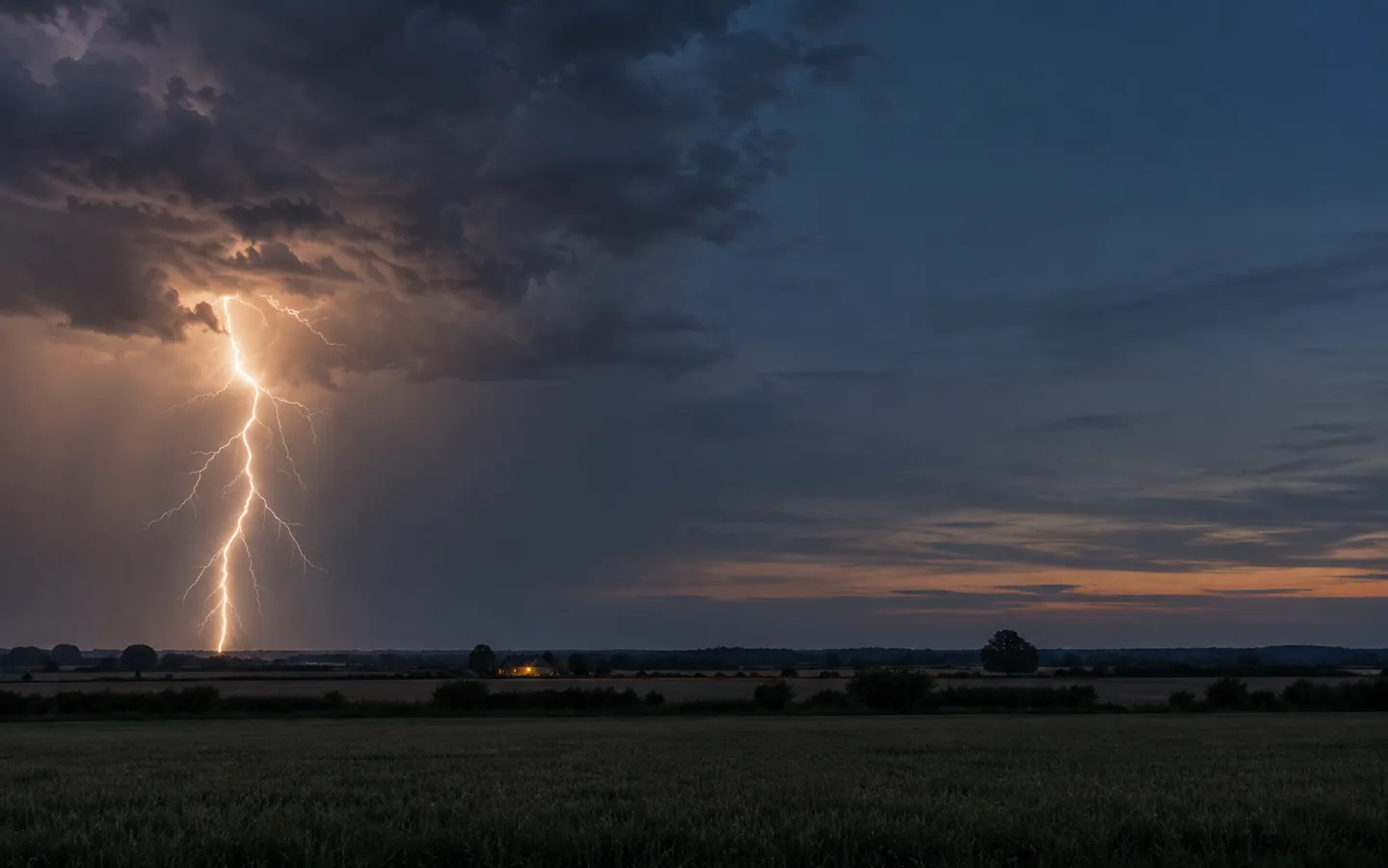
3 SECONDSabout a kilometre
The flash reaches you almost instantly, but thunder travels at the speed of sound. Count the gap, divide by three, and you have a rough distance in kilometres, and a clear signal for when to head indoors.
At a glance
30–60 a year
People struck by lightning in Britain each year
RoSPA says 30 to 60 people are struck by lightning each year in Britain, and on average 3 of these strikes, 5 to 10%, are fatal. Lightning strikes the ground in Britain about 300,000 times a year.
STRIKES ON PEOPLE · RoSPA
1 in 4
People struck who were sheltering under trees
RoSPA says one in four people struck by lightning are sheltering under trees, and advises never sheltering beneath tall or isolated trees.
UNDER TREES · RoSPA
TWO NUMBERS WORTH KNOWING
One figure on how many people are struck in Britain,
one on where many of them were standing.
The US National Weather Service says the air in a lightning channel may reach as high as 50,000 degrees Fahrenheit, about five times hotter than the surface of the sun. That sudden heating is what makes thunder.
A QUICK STORM CHECK
Pick the gap you counted between the flash and the thunder. The bar shows how strongly the guidance points to getting to shelter now.
Distances are rough estimates using sound at about 340 metres per second. If you can hear thunder at all, guidance treats you as within range.
THE SHORT ANSWER
Light is almost instant; sound is not.
The gap between them is your measuring tape.
THE COUNT
Sound travels about 340 metres per second, so the Hong Kong Observatory says to divide the seconds between flash and thunder by three for kilometres.
Count a stormTHE RULE
RoSPA describes the 30/30 rule: shelter if the flash-to-bang count is 30 seconds or less, and stay sheltered until 30 minutes after the last thunder.
What to doTHE TREES
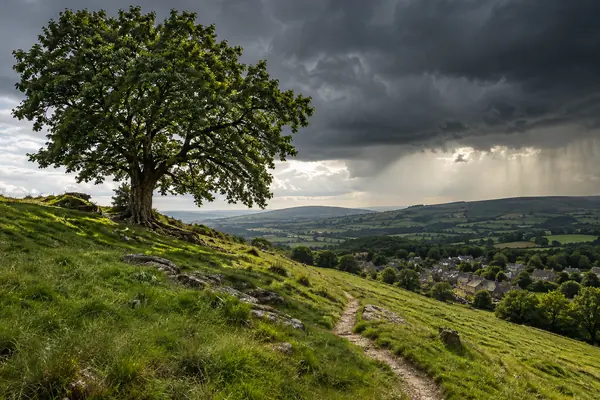
RoSPA says one in four people struck by lightning are sheltering under trees. Do not shelter beneath tall or isolated trees.
See the numbers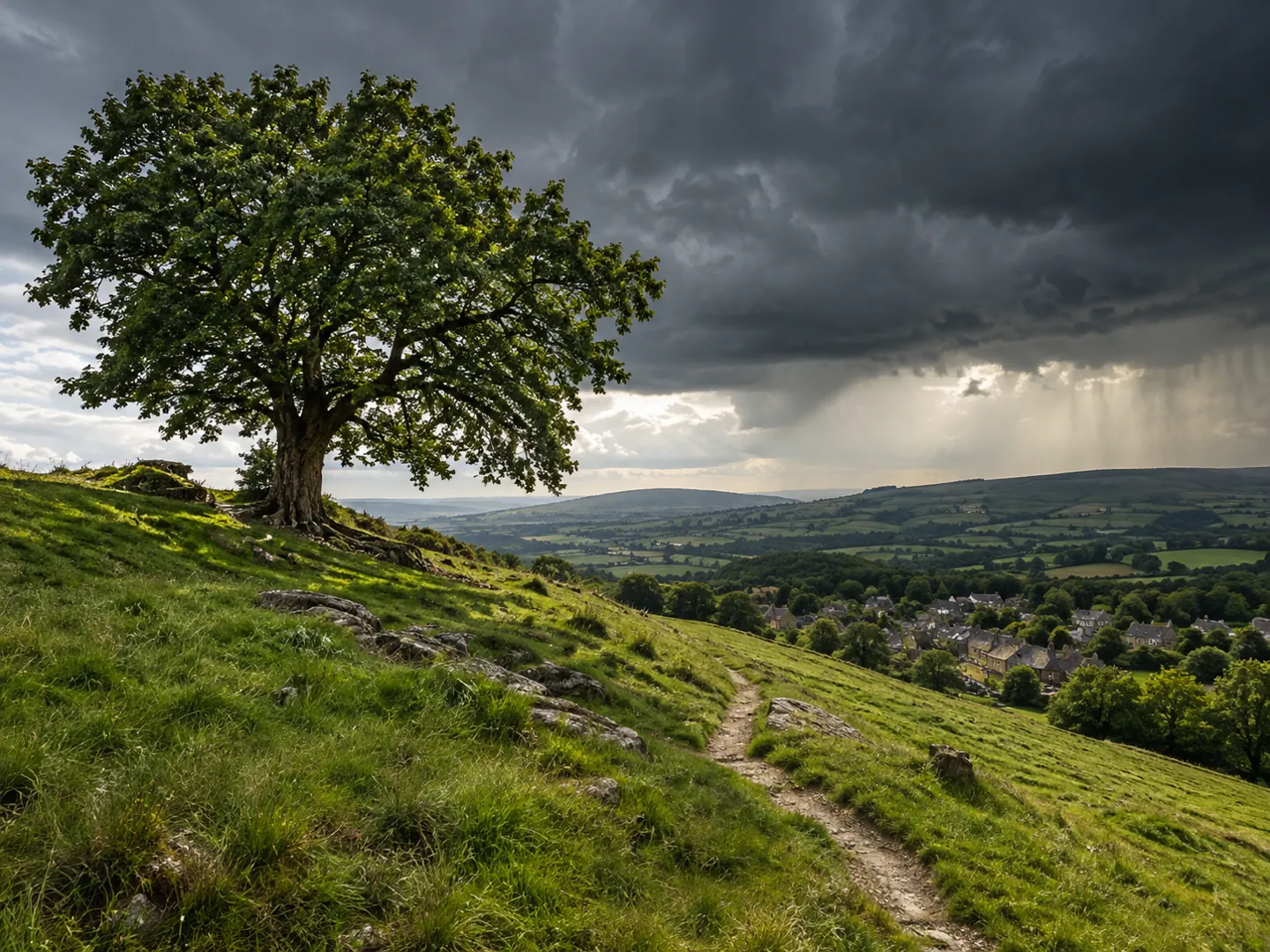
FOUR STEPS IN A STORM
Guidance from RoSPA, Birmingham City Council and the US National Weather Service agrees on the basics: get inside early and stay there a while.
Count the seconds from flash to thunder and divide by three for a rough distance in kilometres.
A large building or a hard-topped car is safe. Rain shelters, small sheds and open vehicles are not.
Avoid isolated trees, open water, hilltops and metal such as fences, bicycles and umbrellas.
Stay sheltered until 30 minutes after the last thunder before going back out.
INDOORS
RoSPA notes that lightning can be conducted through television aerials, pipes and other wires. Except in emergencies, it advises not using a telephone, landline or mobile, until the storm is over.
Birmingham City Council suggests unplugging electrical devices you do not need before a storm, because power surges could break them, and avoiding taps and showers while the storm is overhead.
Questions
Light travels at around 300,000,000 metres per second and sound at about 340 metres per second, so the flash arrives almost instantly and the thunder follows.
Both, in different units. About three seconds per kilometre, as the Hong Kong Observatory explains, or about five seconds per mile, as the US National Weather Service puts it.
RoSPA says the inside of a car is a safe place to be in a storm, as lightning spreads over the metal and earths through the tyres. Birmingham City Council advises winding up the windows and staying inside.
RoSPA advises making yourself as small a target as possible: crouch with your feet together, hands on your knees and head tucked in. Birmingham City Council says to avoid lying on the ground.
RoSPA and the US National Weather Service both say to stay sheltered until 30 minutes after the last thunder.
Sources
ABOUT THIS NAME
doodleflash.com is part of the DoodleSale portfolio. It isn't in an auction right now, but you can ask about leasing it.